Electrical Engineering Articles
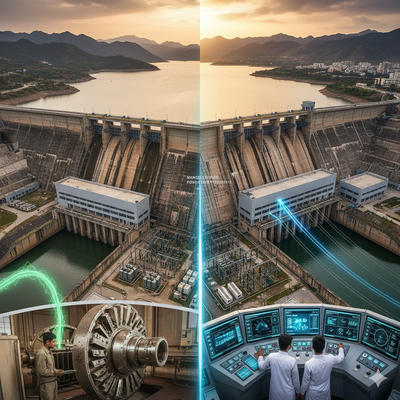
In the global pursuit of net-zero emissions by 2050, as outlined by the International Renewable Energy Agency (IRENA), hydropower is poised for a monumental resurgence. The ambitious scenario projects a need for over 2,900 gigawatts (GW) of total hydropower capacity, with pumped storage hydropower (PSH) contributing a crucial 420 GW for grid stability. While this hints at new projects, a significant, cost-effective, and swift contribution will come from a less visible source: the modernization, rehabilitation, and expansion of the world's existing hydropower fleet. Many of these plants, workhorses of the 20th century, are now 40, 50, or even 60 years old. Rather than letting them fade into obsolescence or embarking on capital-intensive and environmentally challenging new "greenfield" projects, the industry is increasingly focused on breathing new life into these assets. This comprehensive approach is not merely about repair; it's a strategic renaissance for sustainable energy.
Read More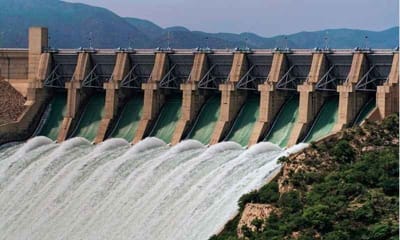
When we consider the complexity of renewable energy projects, hydropower is the most complicated among others, especially we construct it on a river that cross the national borders. Now we look at major controversies in hydropower project in past few years, and what lessons we have to learn for future development. Hydropower Plants are a good way to meet the world's growing demand for clean and green energy. These plants use natural features of the land and provide power closer to where it's needed, unlike other sources like far-off wind farms or solar panels in deserts.
Read More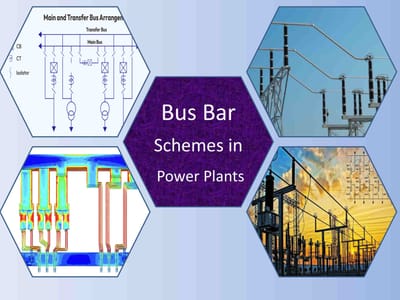
Switchyards are critical components of electric power plants, acting as the central hub for transmitting and distributing electrical power. At the heart of every switchyard lies the bus-bar system, which plays a vital role in ensuring efficient and reliable power transfer. Bus-bar schemes are designed to accommodate various operational requirements, fault tolerance, and flexibility. In this article, we will explore the different types of bus-bar schemes used in switchyards and how they work. 1. Single Bus-Bar Scheme 2. Double Bus-Bar Scheme 3. Main and Transfer Bus 4. Ring Bus Scheme 5. Breaker and Half Scheme
Read More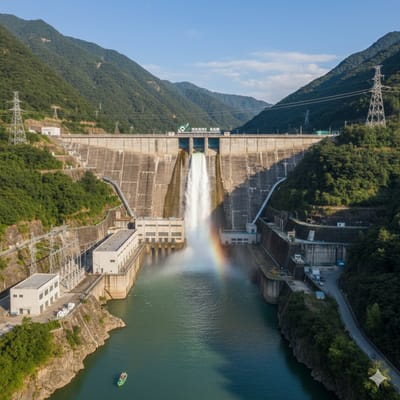
As the global energy landscape shifts toward sustainability, hydropower remains a cornerstone of renewable electricity generation. However, with many hydroelectric plants worldwide now 40 to 70 years old, their efficiency, safety, and output have diminished. Rather than investing in entirely new facilities—which demand significant capital, land, and environmental approvals—a growing number of governments and energy authorities are turning to systematic rehabilitation and capacity enhancement of existing plants. This in-depth article explores the technical, economic, and operational aspects of hydropower refurbishment, supported by real project data, methodologies, and lessons learned from large-scale modernization initiatives.
Read More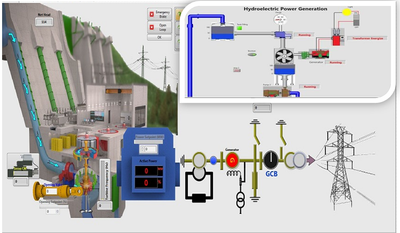
A Digital Governing System (DGS) is an electronic and computer-based control system used to regulate the speed, power output, and operating stability of a hydropower turbine-generator unit. The system receives signals from sensors and controls the guide vane opening or runner blade position through hydraulic actuators to maintain the required speed and power. Main Components of Digital Governing System are 1. Speed Sensor / Speed Pickup 2. Position / Feedback Sensors 3. Pressure and Process Transducer 4. Digital Governor Controller 5. Human Machine Interface (HMI) 6. Input / Output Module 7. Electro-Hydraulic Servo System 8. Hydraulic Power Unit (HPU) 9. Actuating Mechanism 10. Communication Interface 11. Protection and Interlocking System 12. Power Supply and Backup System
Read More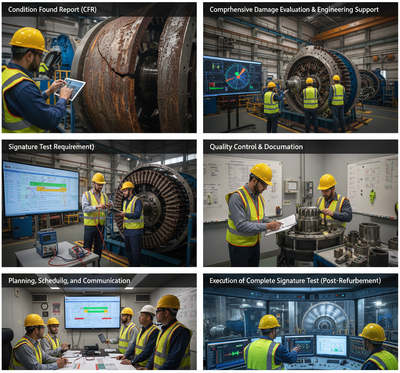
Hydropower plant refurbishment is critical for improving generation efficiency, extending equipment lifespan, and maintaining safe and reliable operation. Whether upgrading turbines, overhauling generators, modernizing control systems, or refurbishing transformers and switchgear, a structured and technical approach is essential. The following best practices highlight the fundamental steps for hydropower refurbishment, rehabilitation, and modernization projects.
Read More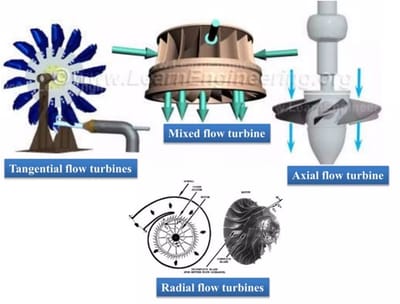
Hydro turbines are essential components in the generation of hydroelectric power, converting the energy of flowing or falling water into mechanical energy, which is then transformed into electrical energy. In this article, we will explore the fundamentals of hydro turbines, their classification, design parameters, and the advantages and disadvantages of using them for power generation.
Read More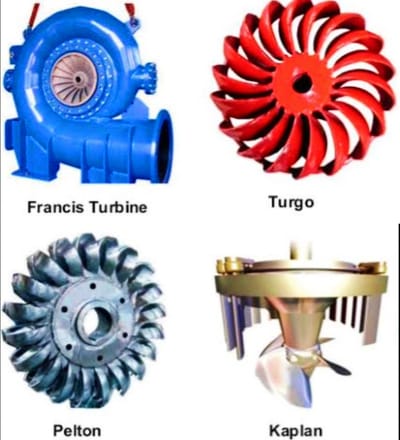
Hydropower Plants are essential for generation of renewable energy by harnessing the energy of moving water. One of the most important component of Hydropower Plant is the turbine. The turbine converts the energy of moving / flowing water into mechanical energy, later which is converted into electrical energy by generator. The choice of turbine depends on multiple factors, such as net head, flow rate of water and geological conditions of the site. In this article we will explore different types of turbines commonly used in Hydropower Plants, specification of each turbine, output power range and geological conditions.
Read More
Grid Interconnection Study (GIS) is a crucial analysis in the energy sector that involves assessing the technical, economic, and regulatory aspects of connecting a power generation source (such as solar, wind, hydro, or fossil fuel-based plants) to the existing electrical grid. As energy systems around the world evolve to incorporate renewable energy sources and meet growing demands, understanding the optimal way to integrate these energy sources into the grid becomes essential. GIS helps ensure that the electrical grid can handle additional generation while maintaining stability, reliability, and efficiency.
Read More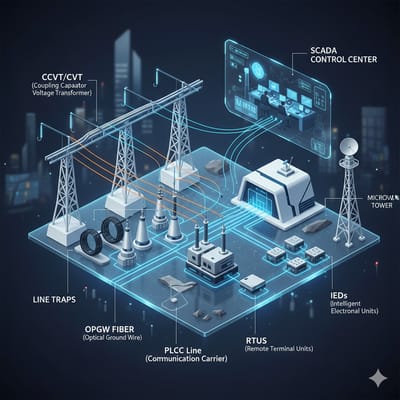
Modern power systems rely heavily on fast, reliable, and secure communication. As the voltage level increases—particularly at 220 kV and above—the need for seamless communication becomes even more critical. High-voltage grid stations must coordinate protection systems, exchange real-time data, and ensure operational safety across long distances. To achieve this, utilities use a range of specialized communication components. In this article, we’ll explore the major communication systems used in 220 kV and higher-level substations, along with a clear explanation of the role each component plays.
Read More
By using a PLC, all control tasks can be integrated for automatic operation. This makes unit control and data recording much simpler. Supervisory control and data acquisition can also be achieved through PLC and a supervisory computer. Some of the main roles of the PLC in automating a hydropower plant include: (a) Automatic Start Sequence (b) Automatic Shutdown (Normal, Emergency) (c) Digital Governing using PLC (d) Speed Governing (e) Position Control (f) Excitation Control with PLC (g) Protection System with PLC (h) Alarm and Annunciation using PLC
Read More
Communication protocols are needed to connect different control and protection systems to SCADA in Hydropower Plants. These protocols, either standard or custom, work over serial connections to send information between the control center and remote locations. They use different methods like phone lines, cables, fiber optics, and radio signals such as broadcast, microwave, and satellites. The most commonly used communication protocols are listed below.
Read More