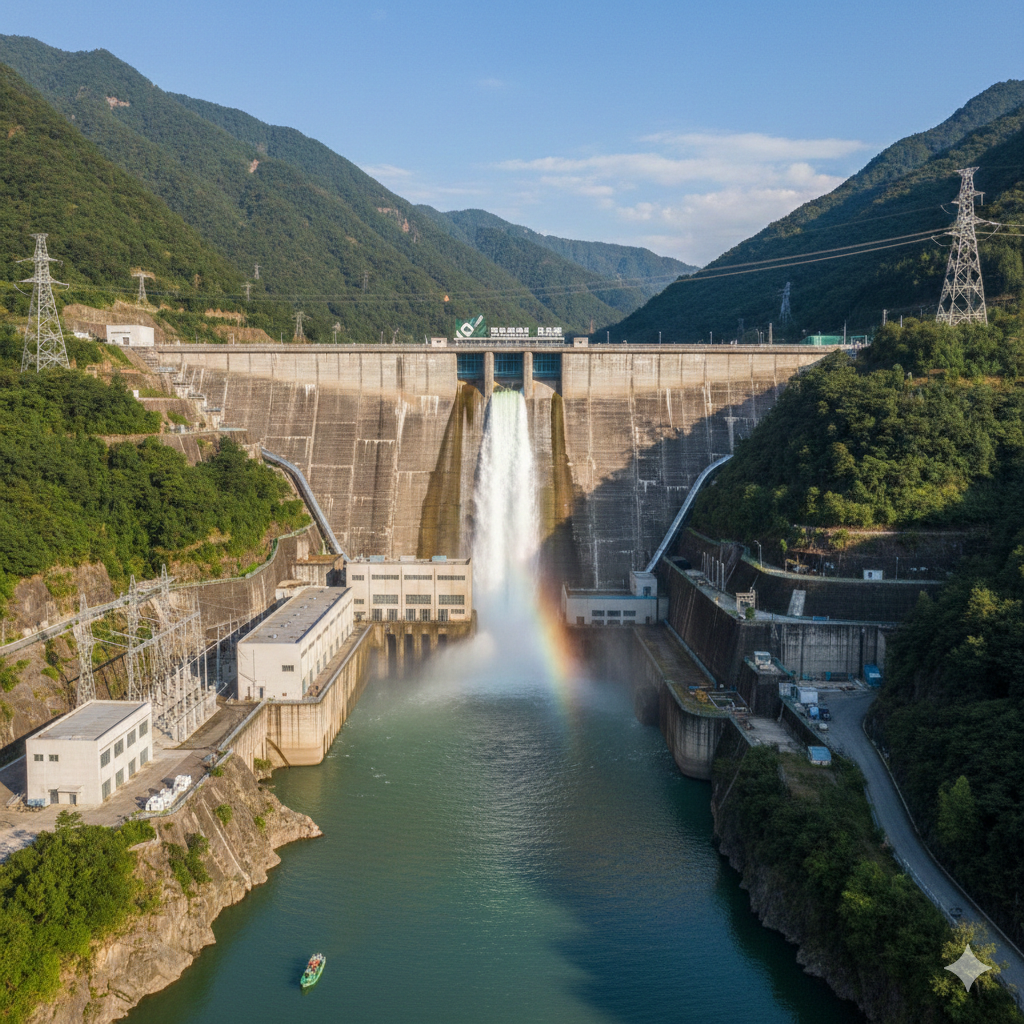
As the global energy landscape shifts toward sustainability, hydropower remains a cornerstone of renewable electricity generation. However, with many hydroelectric plants worldwide now 40 to 70 years old, their efficiency, safety, and output have diminished. Rather than investing in entirely new facilities—which demand significant capital, land, and environmental approvals—a growing number of governments and energy authorities are turning to systematic rehabilitation and capacity enhancement of existing plants. This in-depth article explores the technical, economic, and operational aspects of hydropower refurbishment, supported by real project data, methodologies, and lessons learned from large-scale modernization initiatives.
What Do We Mean by Rehabilitation, Refurbishment, and Capacity Enhancement?
While often used loosely, the terms rehabilitation, refurbishment, and capacity enhancement refer to specific engineering and strategic approaches:
- Refurbishment is the process of renewing, updating, or improving existing equipment and structures—think of replacing turbine blades, upgrading control systems, or repairing spillways.
- Rehabilitation goes further, aiming to restore a plant to its original operational state after deterioration or damage. This often involves structural strengthening, corrosion mitigation, and replacing obsolete components.
- Capacity Enhancement focuses on increasing the plant’s power output, often through higher-efficiency turbines, increased water head utilization, or improved operational flexibility.
In practice, these approaches are often combined in a single modernization project to maximize both performance and longevity.
Why Rehabilitation Is No Longer Optional?
The drivers for hydropower modernization are multifaceted and urgent:
- Technological Obsolescence
Many plants still use analog control systems, mechanically governed turbines, and insulation materials that are decades out of date. Modern digital controls and high-efficiency turbines can significantly improve responsiveness and energy yield. - Aging Equipment & Structures
Electro-mechanical components such as generators, transformers, and governors wear out. Concrete structures suffer from alkali-aggregate reactions, cracking, and reinforcement corrosion. Without intervention, failure risks increase. - Rising Operational Costs
As equipment ages, maintenance becomes more frequent and costly. Spare parts for outdated systems may be unavailable, leading to longer downtimes and reduced availability. - Regulatory & Safety Upgrades
Modern safety and environmental regulations—such as those addressing dam safety, minimum environmental flows, and grid stability requirements—often cannot be met by older designs. - Hydrological Changes
Shifting rainfall patterns and sediment accumulation in reservoirs can alter a plant’s original operating conditions. Rehabilitation offers a chance to re-optimize the facility for current and future water availability.
Benefits of Rehabilitation
1. Financial Case: Rehabilitation vs. New Build
One of the strongest arguments for rehabilitation is economic. Data from international projects show:
- New Hydropower Plant: $1,500–$2,500 per kW
- Rehabilitation Project: $500–$800 per kW
This represents a 60–70% cost savings per kilowatt of capacity. Additionally, the payback period for rehabilitation typically ranges from 5 to 10 years, thanks to:
- Increased energy generation and revenue
- Lower operation and maintenance costs
- Avoided expenses related to new land acquisition and extensive environmental impact assessments.
2. Environmental & Social Perks
- Less Ecological Disruption: Avoids the need for new dams and reservoirs.
- Lower Emissions: Provides clean energy, displacing fossil fuels.
- Reliable Electricity: Supports grid stability and rural electrification.
- Job Creation: Rehabilitation projects generate local employment.
3 - Phase Methodology for Successful Rehabilitation
Leading projects follow a structured, three-phase approach:
Phase 1: Diagnosis
A thorough condition assessment is conducted, including:
- Visual and nondestructive testing of civil structures
- Performance analysis of electromechanical equipment
- Review of historical operational data (downtime, efficiency losses, maintenance logs).
Phase 2: Analysis
This involves:
- Technical Evaluation: Identifying which components need repair, replacement, or upgrade.
- Hydrological Reassessment: Confirming water availability and design heads.
- Economic Modeling: Using Net Present Value (NPV), Internal Rate of Return (IRR), and Benefit-Cost Ratio (BCR) to evaluate financial viability.
Phase 3: Therapy
The execution phase, which includes:
- Detailed engineering design
- Staged construction and installation
- Commissioning and performance testing
Challenges and Way forward in Rehabilitation
Rehabilitation is not without hurdles. Common issues include:
- Project Delays: Due to approval processes, contractor performance, and customs.
- Technical Complications: Interface problems between contractors, space constraints, and design changes.
- Financial Hurdles: Unrealistic cost estimates, exchange rate losses, and donor requirements.
- Security & Administrative Barriers: Clearances, audits, and coordination gaps.
Way forward
- Single Contractor Approach: Using one joint venture for civil and E&M works improves coordination.
- Involve OEMs: Original equipment manufacturers ensure design integrity and technical compatibility.
- Plan for Contingencies: Allow flexibility for unforeseen site conditions.
- Streamline Approvals: Delays in permits and funding disbursement can derail timelines.
Conclusion
Hydropower rehabilitation is more than a technical exercise—it is a strategic investment in energy security, economic efficiency, and environmental stewardship. By modernizing existing assets, we can:
- Generate more clean energy without new dams
- Improve grid stability and reliability
- Create skilled jobs and local economic activity
- Meet climate targets with a fraction of the footprint of new builds
Comments